If you want to check if it's still active & inventory is in stock, click here
I Tried 3 Insoles for Shin Splints & Knee Pain. Only One Actually Worked.

After spending $100's on insoles that didn't help, I finally found the one that did. Here's my honest comparison.
I want to preface this by saying I'm not someone who writes reviews. But after over a year of shin splints and knee pain that made me dread my morning walk, I feel like I owe it to anyone else out there going through the same thing to share what actually worked.
My doctor's advice was the usual stuff: rest, ice, stretch, and get some supportive insoles. What she didn't tell me was that not all insoles are built the same — and that I'd burn through $150 trying to find one that helped before I landed on the right answer.
Here's exactly what I tried, in order.
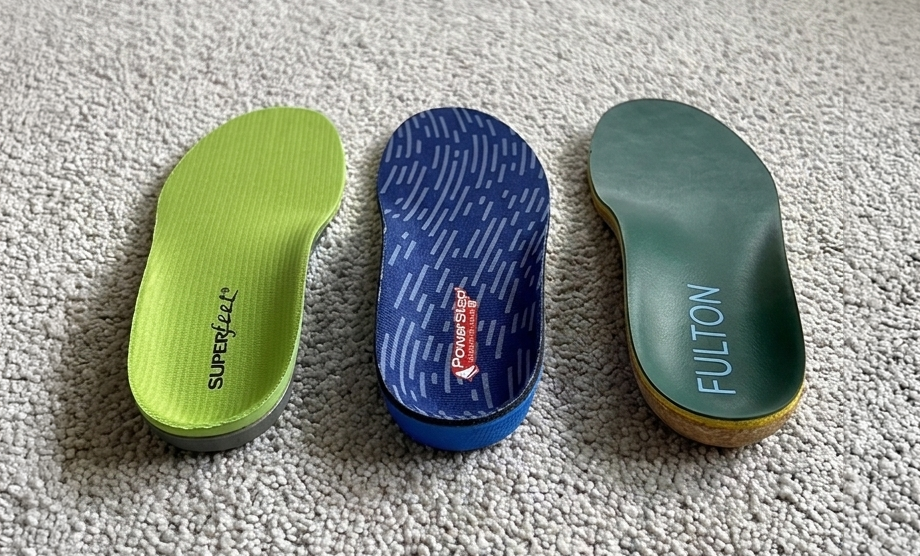
THE LINEUP
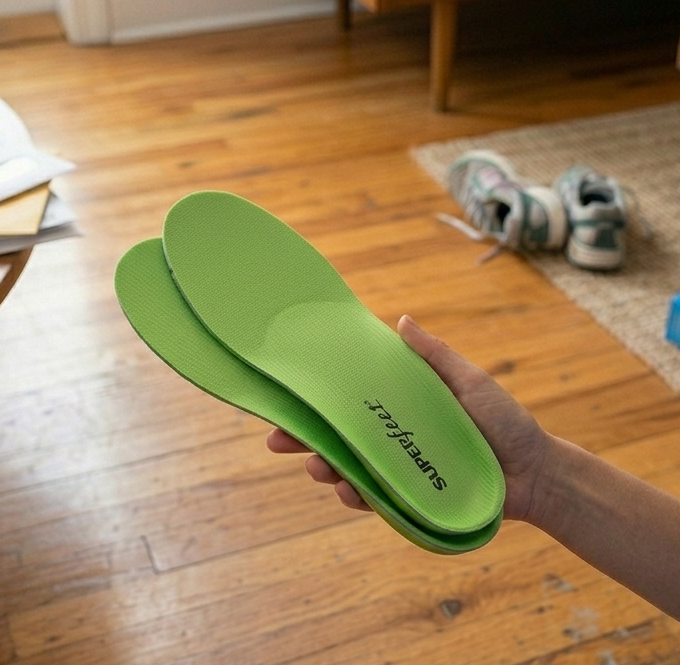
SUPERFEET GREEN
Podiatrist-recommended, foam base with a hard plastic shell. The most prescribed over-the-counter option I found. I wore these for 6 weeks.
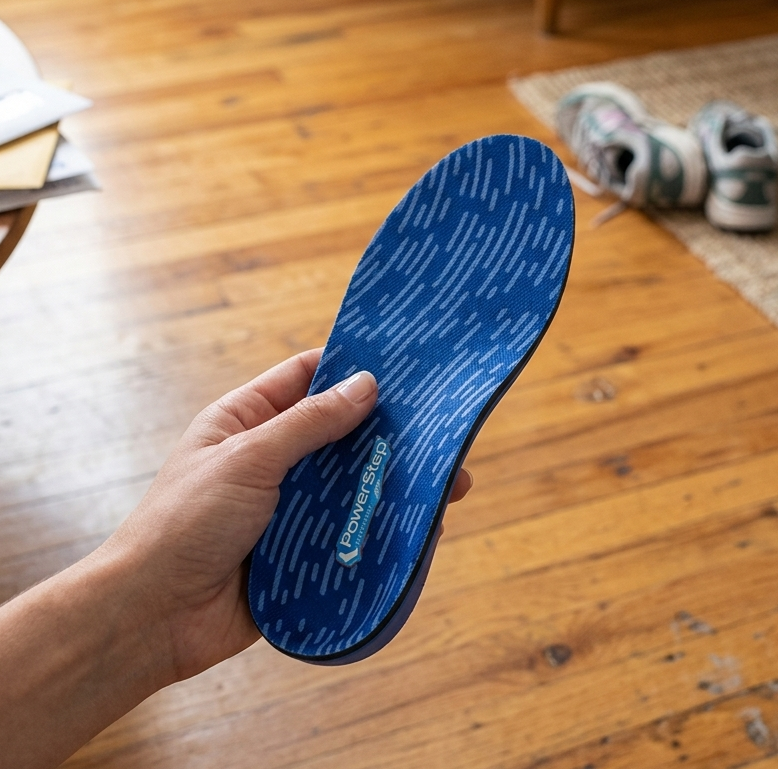
POWERSTEP PINACLE
Sold specifically for foot and joint pain. Dual-layer foam with a firm arch. I gave these 7 weeks because I kept hoping they'd "break in."
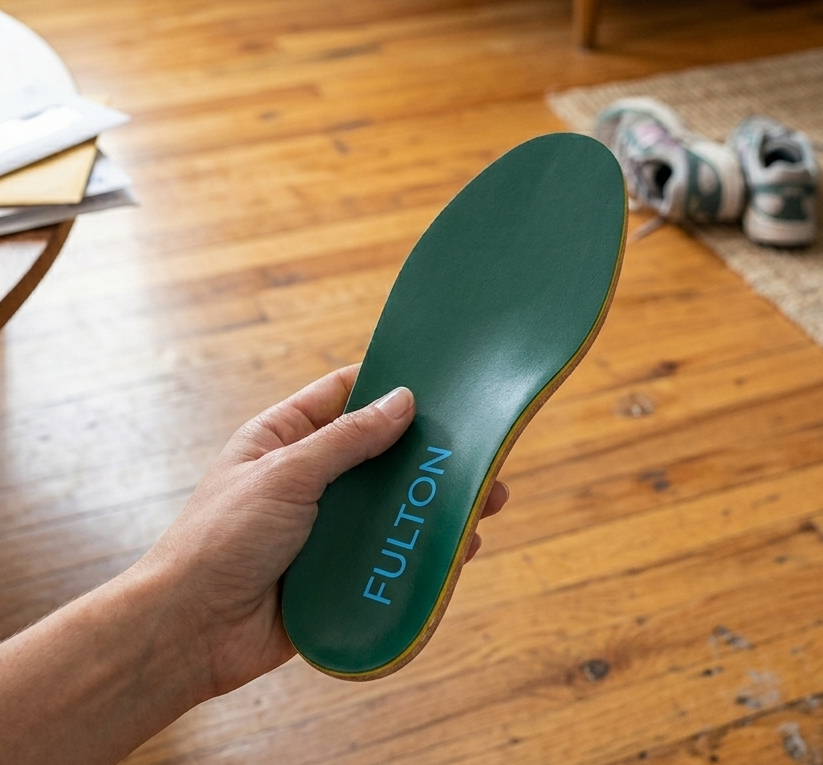
FULTON CLASSIC INSOLE
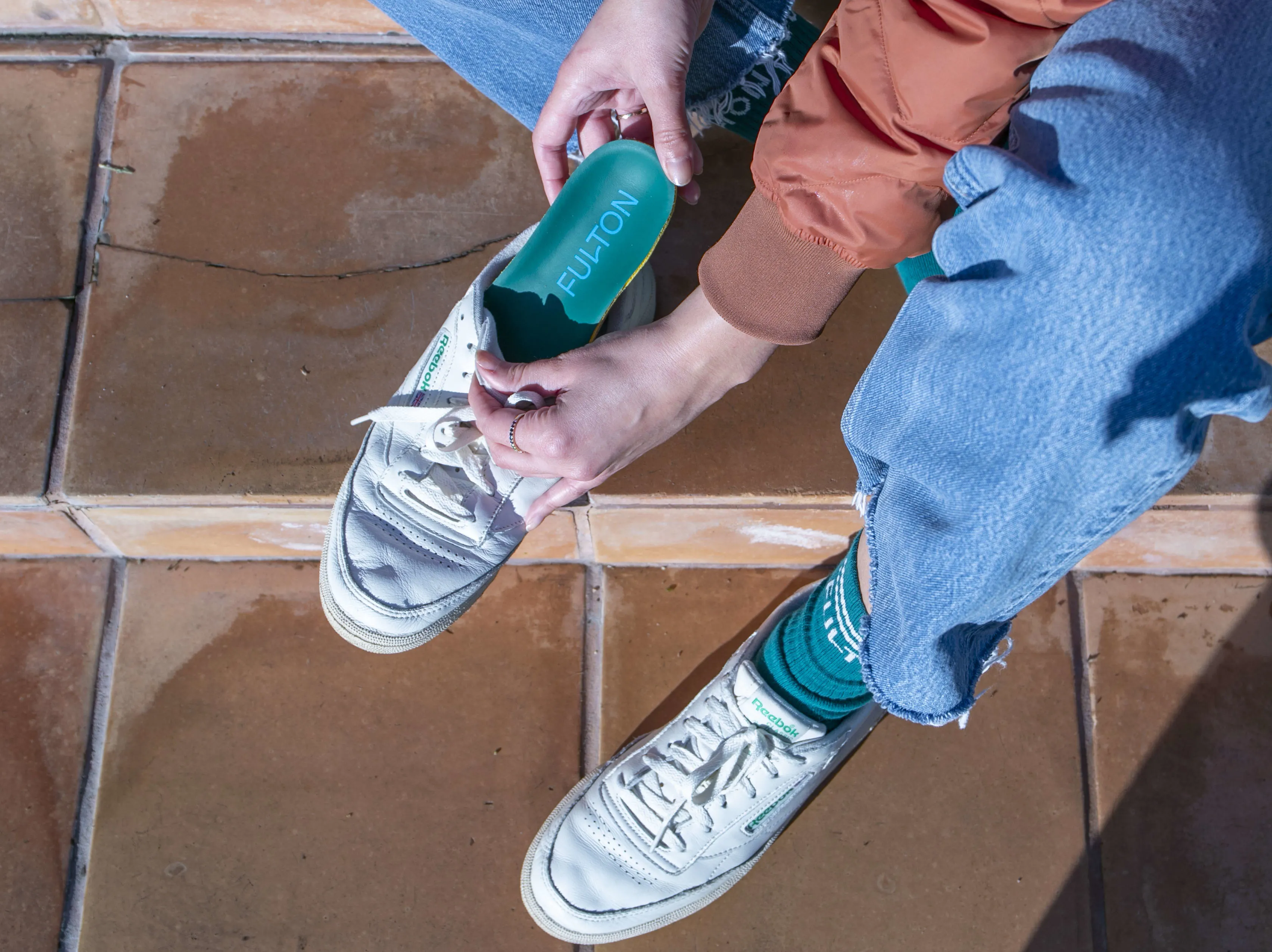
Cork base with a deep heel cup and arch that actually contours. Different from anything foam-based I'd tried — and I noticed a difference within the first week.
What made Fulton different wasn't marketing — it was the material. The cork actually molds slightly to the shape of your foot over time, which meant the arch support was hitting the right spot instead of a generic position. The foam insoles from Superfeet and PowerStep felt like they were built for an average foot. Fulton felt like it was adjusting to mine, and the shock of every step got absorbed and distributed evenly instead of traveling straight up into my shins and knees.
The deep heel cup was the other thing I kept coming back to. Shin splints and knee pain aren't really a foot problem — they're an alignment problem. Every time my heel landed off-center, that impact had to go somewhere, and it kept going up my legs. Fulton's cup kept my heel aligned in a way that cut down on that impact with every step. Within two weeks, the ache that used to build up by the end of a walk — the kind where you're bracing your knees before you even get up the stairs — was almost completely gone.
"I had tried every 'shin splint' insole on the first page of Amazon. Fulton was the first one that felt like it was actually doing something."
By week four, I was walking without thinking about my legs. That hadn't happened in over a year.
I'm not saying Superfeet or PowerStep are bad products. I'm sure they work for some people. But for me — with shin splints, knee pain, and a history of going through 3 different Dr. Scholl's before that — they weren't the answer. Fulton was.
If you're still trying to figure out which insole is actually going to help, I'd skip what I skipped and start here.
The Verdict

Superfeet Green
Hard shell didn't flex with my foot. 6 weeks, no improvement.

PowerStep Pinnacle
Marketed for foot and joint pain but made no real difference. Returned after 7 weeks.

Fulton Classic
Shin splints and knee pain gone by week 2. Still wearing them 4 months later.
EXCLUSIVE OFFER
Fulton is offering Comfort Queen readers 20% Cashback
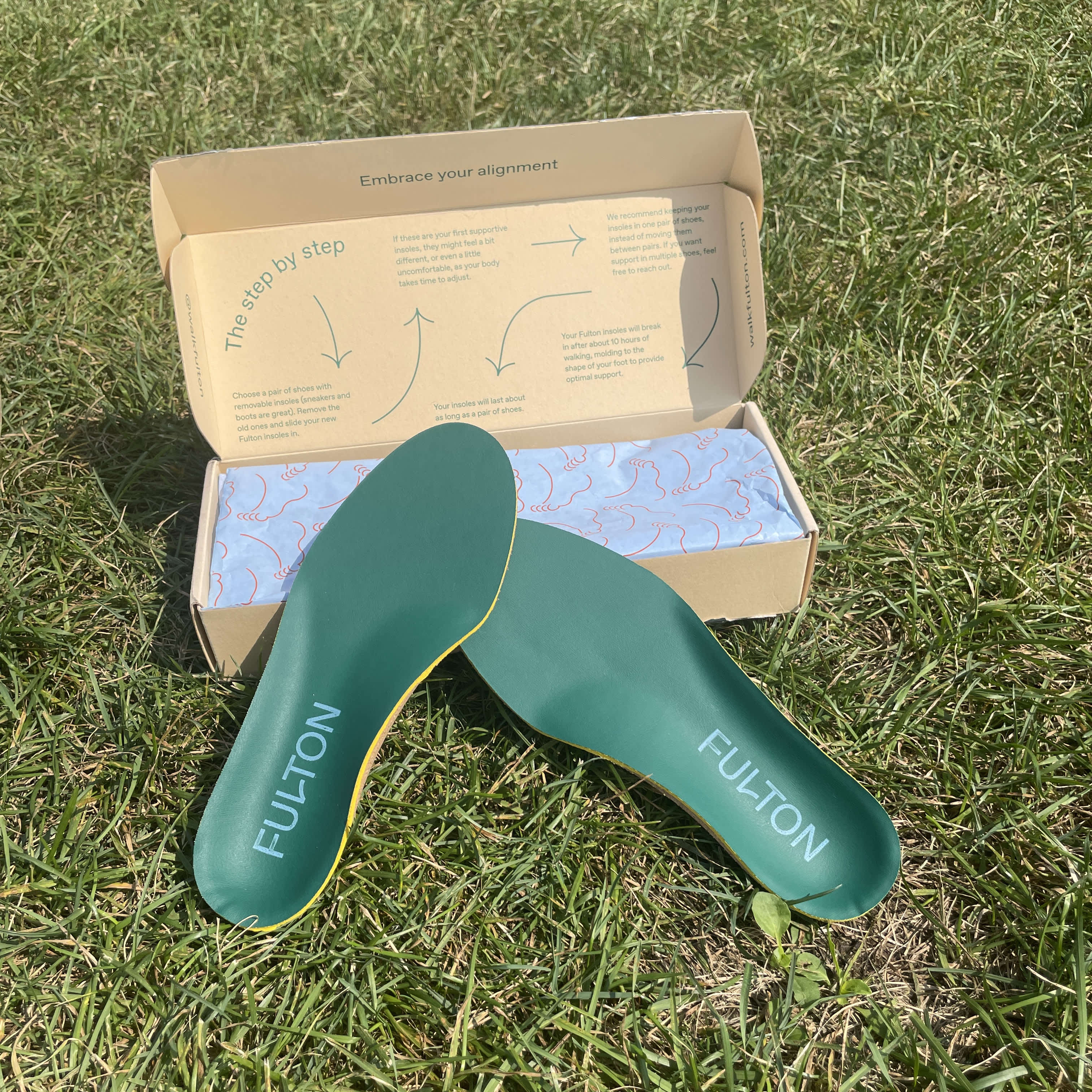
After wearing all three, I think the difference came down to three things:
1. The Support Felt Custom
The cork gradually adapted to my foot shape instead of forcing my foot into a predetermined shape. The longer I wore them, the better they felt.
2. Better Shock Absorption, Better Alignment
Instead of concentrating impact in one spot, the footbed helped spread my weight more evenly and kept my heel aligned with each step. That meant less strain traveling up into my shins and knees throughout the day.
3. I Actually Wanted To Wear Them
This sounds silly, but it's important. The best insole in the world won't help if it sits in your closet. Fulton was the only pair I consistently moved from shoe to shoe because they simply felt good.